This post contains affiliate links. If you use these links to buy something, we may earn a commission.
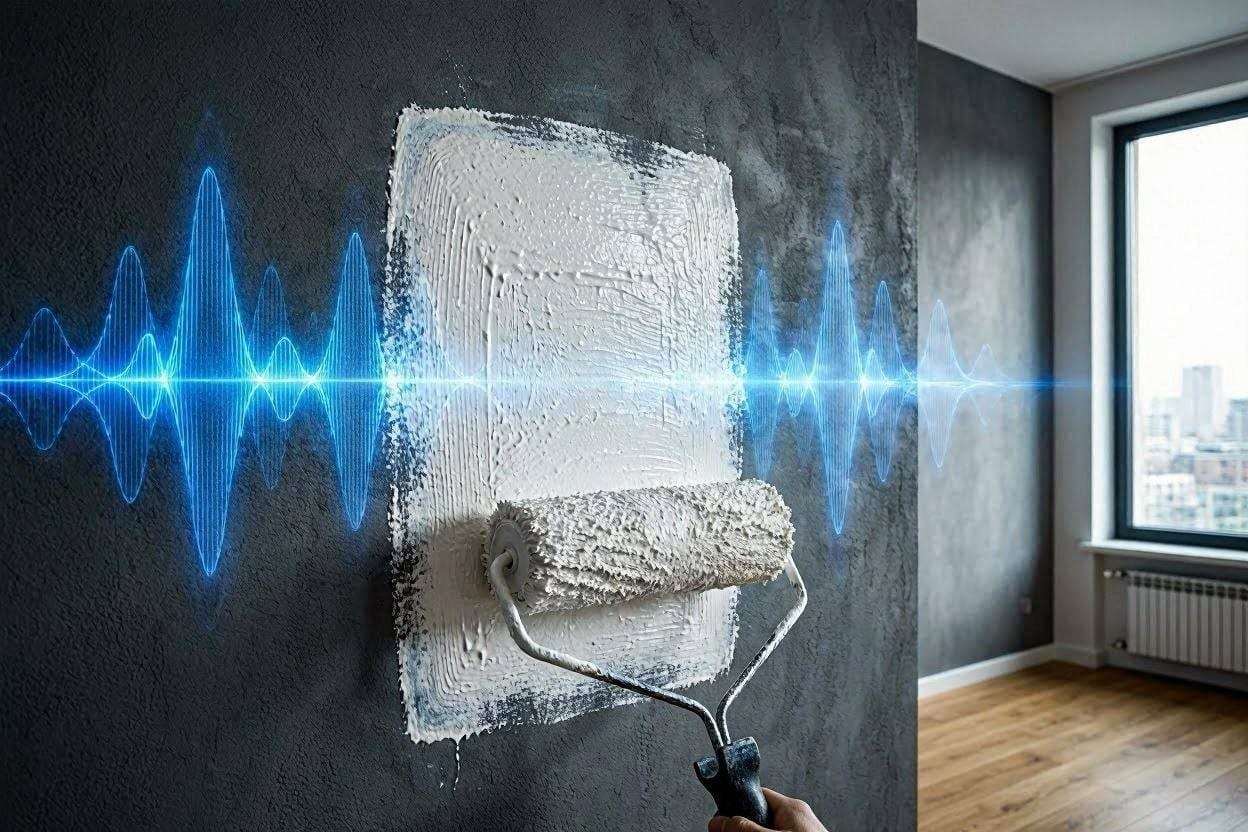
We have all been there. You are trying to sleep, read, or just enjoy a quiet evening in your home, but the noise from your neighbors, the street outside, or the TV in the next room is driving you crazy. In a desperate search for a quick fix, you stumble upon a product that sounds like pure magic: soundproofing paint.
The marketing pitch is incredibly tempting. No tearing down drywall, no installing heavy insulation, and no hanging thick, heavy curtains. Just roll on a few coats of this special paint, and your noisy problems disappear. But if you are reading this, your inner skeptic is probably asking: Does soundproofing paint actually work?
The short, brutal truth? No, soundproofing paint will not block sound from entering or leaving a room.
However, that does not mean it is completely useless. The problem lies in the misleading name. To understand if this product is worth your money, we need to dive into the science of how sound travels, the difference between blocking and absorbing sound, and what “acoustic paint” actually does.
Soundproofing vs. Sound Absorbing: The Big Lie
The biggest misconception in the quiet-living industry is the interchangeable use of the words “soundproofing” and “sound absorbing.” They are two entirely different concepts of physics.
What is True Soundproofing?
True soundproofing is about stopping sound waves from passing through a structure (like a wall, ceiling, or door). To block sound, you need two things: Mass and Decoupling. Sound waves are physical energy. To stop that energy, you have to put something heavy and dense in its way, or physically separate the walls so the vibrations can’t travel through the studs.
What is Sound Absorbing?
Sound absorbing, on the other hand, is about stopping sound waves from bouncing around inside a room. Think about how an empty room sounds completely hollow and echoey, but once you add couches, rugs, and curtains, the room sounds “warmer” and quieter. The furniture didn’t stop the neighbor’s dog from barking, but it stopped the bark from echoing off your hard walls.
Soundproofing paint is actually sound absorbing paint. It cannot add enough physical mass to your wall to block a neighbor’s loud music, but it can help reduce the echoes inside your own space.
How Does Acoustic Paint Actually Work?
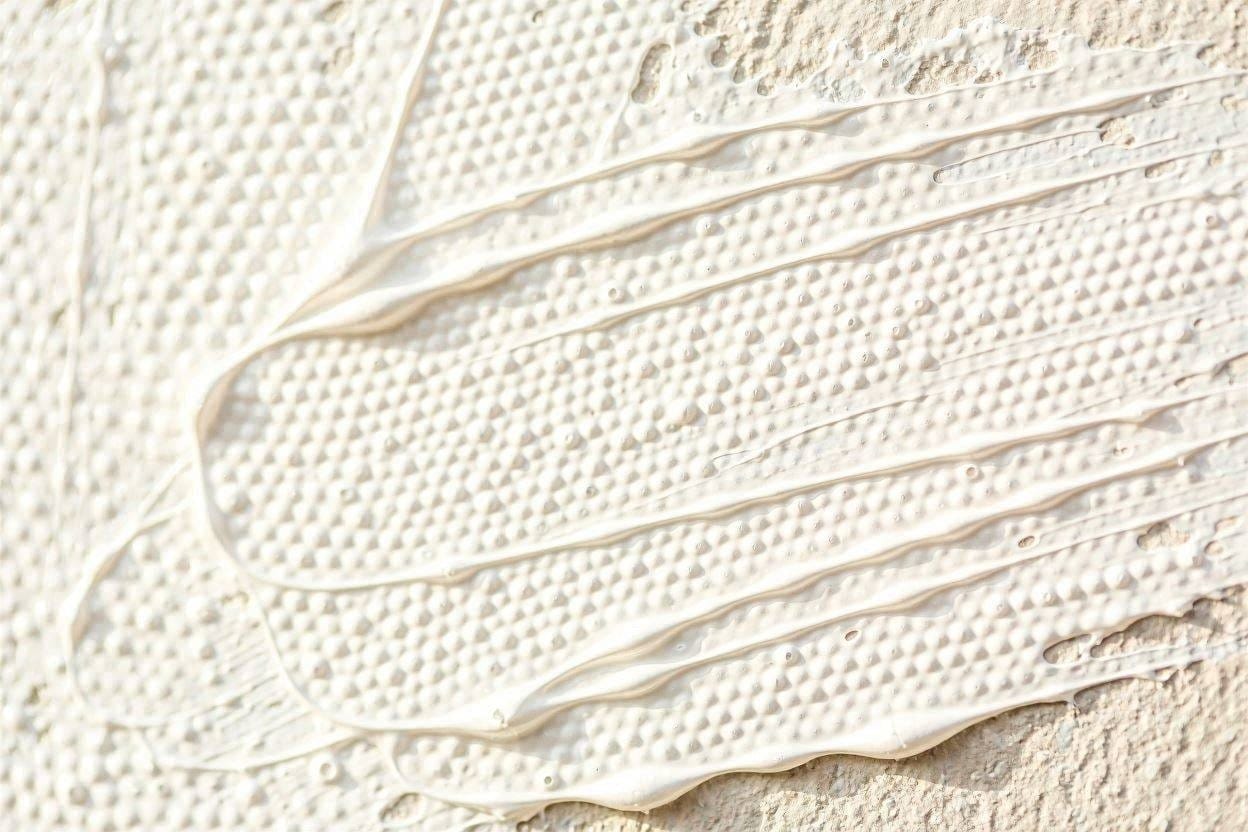
If you open a can of acoustic or sound-dampening paint, you will immediately notice it is much thicker than standard interior latex paint. It resembles the consistency of a thick milkshake or pancake batter.
This thickness comes from microscopic, hollow ceramic or glass spheres (sometimes called thermacels) mixed into the heavy-bodied acrylic liquid. When you apply this paint to your walls (usually requiring two to three thick coats), these microspheres create a slightly textured, uneven surface on a microscopic level.
When high-frequency sound waves (like a sharp voice or a clapping hand) hit standard flat paint, they bounce right off. When they hit acoustic paint, the microspheres act like tiny shock absorbers, dissipating a small amount of the sound energy and reducing the reverberation (echo) in the room.
When Should You Actually Use Sound Deadening Paint?
While it won’t stop the bass from a nearby party or the roar of highway traffic, there are specific, practical use cases where sound-absorbing paint is a great investment:
- Podcasting or Recording Studios: If you are recording audio in a spare bedroom, acoustic paint can slightly take the “edge” off the room’s natural echo, giving your microphone a cleaner, drier sound.
- Home Theaters: Applying this paint to your ceiling and walls can improve the audio clarity of your surround sound system by reducing internal sound reflections.
- Minimalist Homes: If you love the look of hardwood floors and bare walls without heavy rugs or acoustic panels, a few coats of this paint can make the room feel less like an empty cavern.
Building a home studio? Combine acoustic paint with our top picks for the Best Acoustic Foam Panels for Echo Reduction to get crystal clear audio.
The Best Sound Deadening Paint on the Market
If you have decided that reducing echo and dampening internal noise is your goal, there is one undisputed industry leader in this space.
Acousti-Coat Sound Deadening Paint by Hy-Tech
Hy-Tech Thermal Solutions produces Acousti-Coat, the most widely reviewed and tested acoustic paint available. It is a heavy-bodied, water-based acrylic paint heavily loaded with ceramic microspheres and sound-absorbing fillers.
Acousti-Coat Highlights:
This paint is highly effective at absorbing mid-to-high frequency ranges. It is environmentally friendly, non-toxic, and acts as a brilliant thermal insulator as well, helping to keep your room cooler in the summer and warmer in the winter.
Pros: Excellent for reducing echo, acts as thermal insulation, easy to apply with a standard roller.
Cons: Expensive, requires multiple thick coats, has a slightly textured matte finish.
Real Alternatives: What Actually Blocks Sound?
If you came to this article because you are trying to block out loud neighbors, crying babies, or street traffic, put the paintbrush down. You need to add mass and density to your space. Here are the most effective, proven methods we have extensively tested here at Quiet Dwelling:
1. Upgrade Your Door (The Weakest Link)
Most interior doors are hollow-core, meaning they are essentially two pieces of thin wood filled with cardboard. Sound passes right through them. Upgrading to a solid core door and sealing the bottom gap is the fastest way to quiet a room. Read our step-by-step guide on How to Soundproof a Bedroom Door to fix this exact issue.
2. Hang Soundproof Curtains
Windows are the second biggest culprit for noise leaks. Standard glass does virtually nothing to block low-frequency traffic noise. Heavy, dense, multi-layered acoustic curtains add genuine mass over your windows. We tested the top brands on the market; check out our roundup of the Best Soundproof Curtains that Actually Work.
3. Apply Mass Loaded Vinyl (MLV)
If you are serious about soundproofing and are willing to do some minor construction, Mass Loaded Vinyl is the gold standard. It is a heavy, flexible rubber-like material that you can staple to your walls before hanging a second layer of drywall. It is highly effective at stopping airborne noise. Learn exactly what MLV is and how to install it in our Ultimate Guide to Mass Loaded Vinyl.
The Final Verdict: Is It Worth the Money?
Does soundproofing paint work? For blocking noise from the outside world, absolutely not. Do not waste your money if your goal is to silence a noisy neighbor or a busy street.
However, if we rebrand it as sound-absorbing paint, then yes, it works exactly as intended. If you have a room that echoes heavily, you are setting up a home theater, or you are building a podcast studio, spending the extra money on a product like Acousti-Coat will noticeably improve the acoustic quality inside the room. Just make sure you manage your expectations, buy enough to apply multiple thick coats, and understand the limits of what paint can actually achieve.

Ememobong is the lead researcher and editor at Quiet Dwelling. As a professional technical writer, he specializes in breaking down complex acoustic engineering concepts into simple, actionable steps. His goal is to help people build distraction-free environments for better sleep and deep work.