*This post contains affiliate links. If you use these links to buy something we may earn a commission at no extra cost to you.
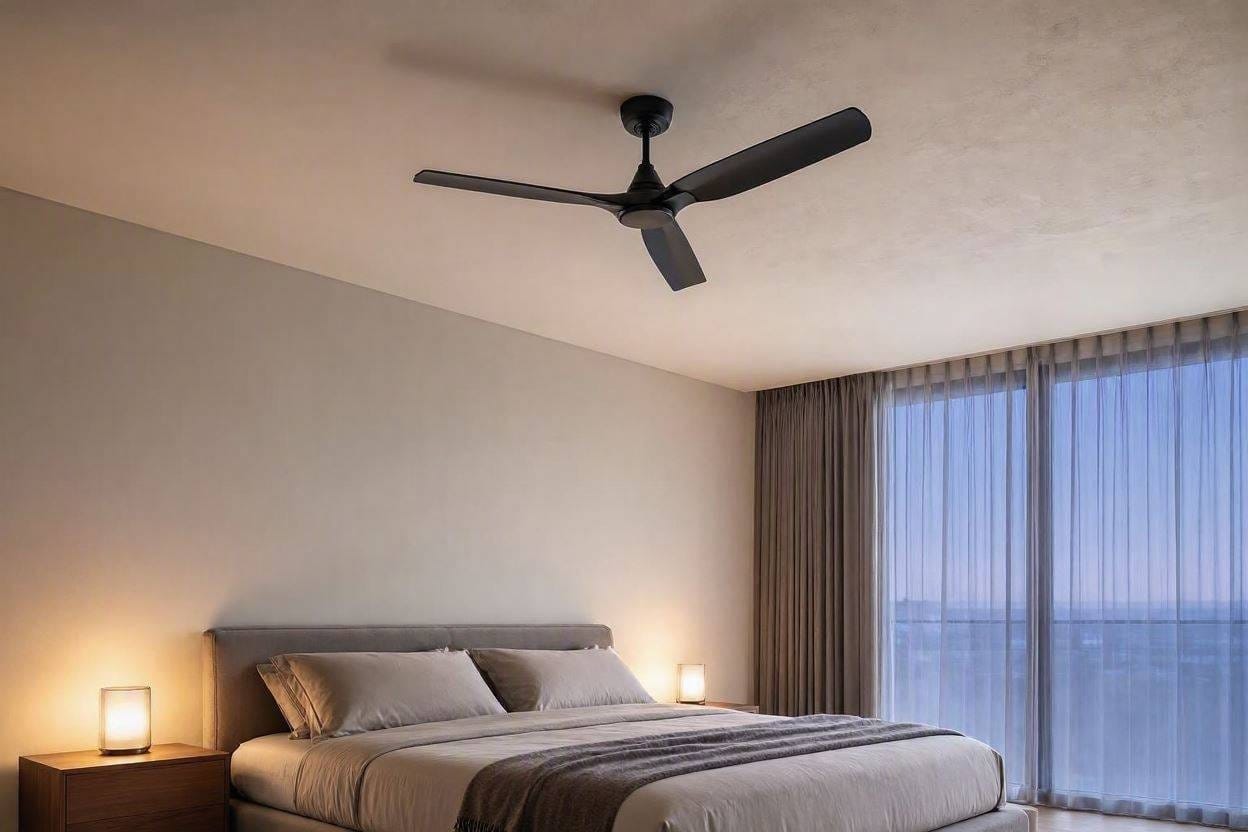
I am highly sensitive to nighttime noise, and for years, my bedroom ceiling fan was my greatest enemy. If I turned it off, I sweat through the sheets. If I turned it on, I had to endure the relentless, rhythmic “tick… tick… tick” of the metal pull chain swinging against the glass shade, accompanied by a low, electrical buzz from the motor.
A ceiling fan should feel like a gentle, natural breeze—not a struggling helicopter hovering over your bed. If you have read our guide on safe decibel levels for sleep, you know that a sudden tick or mechanical hum is guaranteed to pull you out of deep, restorative REM sleep.
I spent the last few summers buying, installing, and testing dozens of modern fan designs, blade pitches, and motor housings to find the ones that are genuinely invisible to your ears. Here are the absolute best quiet ceiling fans that will cool your room without contributing a single decibel to your noise floor.
Scientific Deep Dive: AC vs. DC Motors
If you want absolute silence, you must look at the motor type. 90% of the cheap fans you buy at a big-box hardware store use an AC (Alternating Current) motor. These motors rely on magnetic friction. Because AC power fluctuates 60 times a second from your wall wiring, it causes the internal magnets to vibrate, producing a noticeable, low-frequency electrical “humming” sound.
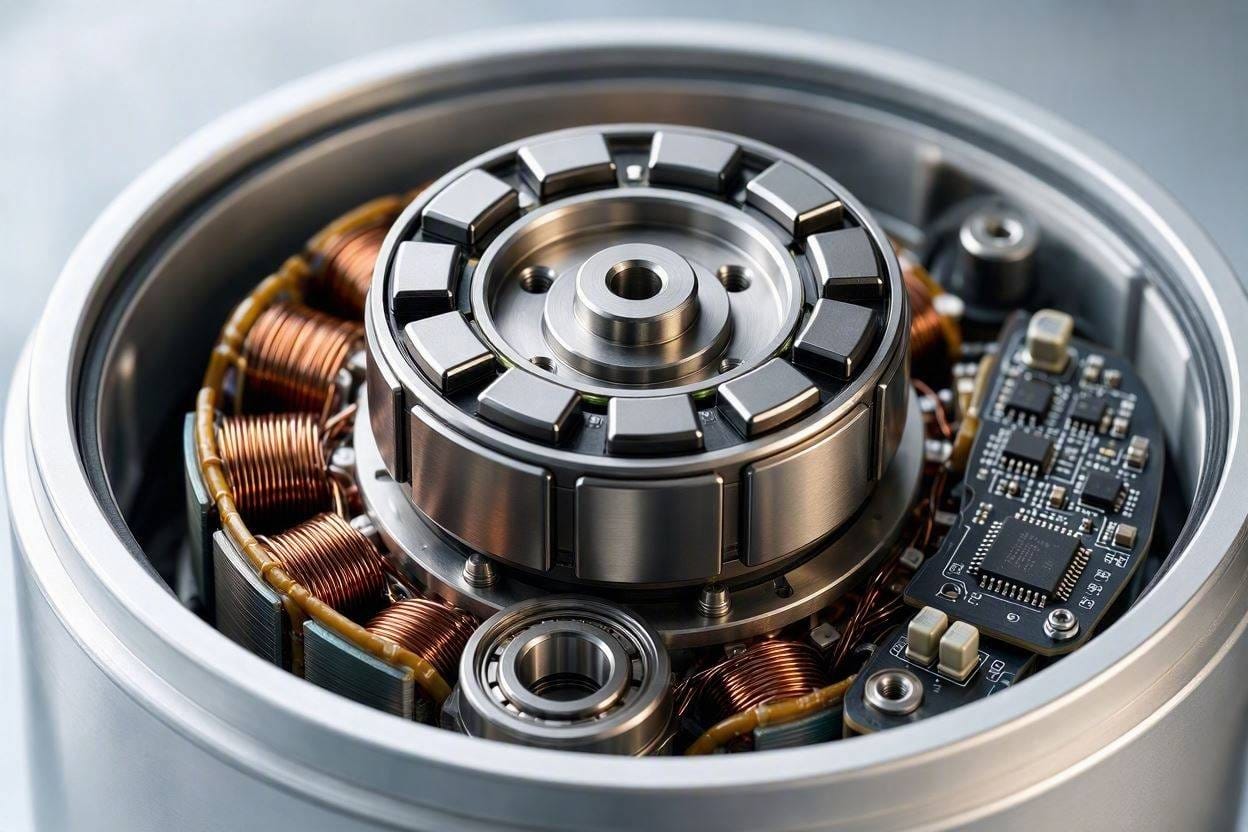
Premium quiet fans use DC (Direct Current) motors. DC motors convert the alternating power internally using a transformer, allowing the motor to operate with frictionless magnets. According to the EPA’s Energy Star program, DC motor ceiling fans are up to 70% more energy-efficient than standard fans. But for light sleepers, the real benefit is that they produce absolutely zero electrical humming.
Furthermore, DC fans have 6 or more speed settings (compared to the standard 3 speeds of AC fans), allowing you to dial in the perfect, silent breeze without causing aggressive wind-shear noise.
1. Hunter Symphony Smart Fan (Best Overall)
Hunter is a legendary name in ceiling fans, and their proprietary “WhisperWind” motor technology is the gold standard for acoustic stealth in master bedrooms.
The Symphony is a smart fan (compatible with Alexa and Apple HomeKit) that moves a massive amount of air silently. It features completely smooth, aerodynamic blades that slice through the air without creating the harsh “chopping” sound common with flat, wooden blades. Because it is controlled entirely by remote or your smartphone, there are no metal pull chains to rattle against the light housing.
Who This is NOT For (Downrod vs. Flush Mount)
Do not buy the stunning Minka-Aire Light Wave (my premium design pick) if you have low, 8-foot ceilings in a cramped apartment. The fans on this list are “downrod” fans, meaning they drop down from the ceiling on a metal pole to maximize aerodynamic airflow.
If you have low ceilings, a downrod fan poses a physical hazard and will make the room feel incredibly claustrophobic. If this is your situation, you need to search specifically for “Hugger” or “Flush Mount” quiet fans, which bolt flush against the ceiling drywall.
Long-term Maintenance: How to Fix a Clicking Fan
Even a perfectly silent, top-of-the-line fan will eventually start ticking if you don’t maintain it. Here is my acoustic maintenance checklist to keep your fan stealthy year-round:
- The Wobble Fix: If your fan makes a clicking sound when it spins, it is physically off-balance. Buy a $5 “Ceiling Fan Balancing Kit” online. You place a tiny adhesive weight on top of one blade. It takes 10 minutes of trial and error, but it stops the wobbling and instantly kills the rhythmic ticking noise.
- Dust the Leading Edge: When dust builds up on the front edge of the fan blade, it changes the aerodynamics. The blades have to “chop” through the air instead of slicing it smoothly, creating a loud “whoosh” sound. Wipe the blades down with a damp microfiber cloth once a month.
- Tighten the Light Kit: Structural vibrations naturally loosen screws over time. If you hear a high-pitched glass rattling, grab a screwdriver and gently tighten the screws holding the glass light shade in place. Do not overtighten, or the glass will crack!
Frequently Asked Questions (FAQ)
Do More Blades Mean a Quieter Fan?
Surprisingly, no. It’s a common interior design myth that 5 blades are quieter and better than 3. The noise comes entirely from the motor quality and the aerodynamic pitch of the blade. A high-quality 3-blade DC fan (like the Minka-Aire) will always be infinitely quieter than a cheap 5-blade AC fan.
Why Does My Fan Hum When Connected to a Wall Dimmer Switch?
Never put a standard ceiling fan on a wall dimmer switch designed for lightbulbs! Standard dimmers restrict voltage in a way that causes the fan motor’s internal magnetic field to vibrate aggressively, creating a loud, angry buzz. Always use the included remote control or install a dedicated, multi-speed fan wall switch.

Ememobong is the lead researcher and editor at Quiet Dwelling. As a professional technical writer, he specializes in breaking down complex acoustic engineering concepts into simple, actionable steps. His goal is to help people build distraction-free environments for better sleep and deep work.