This post contains affiliate links. If you use these links to buy something, we may earn a commission.
When I first tried to record a voiceover at home, I thought I needed to build a professional studio.
I sat in my spare room, hit “Record,” and started speaking. When I played it back, my heart sank. It sounded like I was shouting inside a bathroom. The echo was terrible, and I could hear a car driving by outside.
I almost quit right there. I thought I needed thousands of dollars for construction.
I was wrong.
Over the years, I’ve learned that for 99% of creators (podcasters, singers, YouTubers), you don’t need a “soundproof” room. You just need a “dead” room.
Here is how I treat my home studio for crisp, professional audio without spending a fortune.
Step 1: Kill the “Reverb” (The Closet Hack)
The biggest enemy of a recording isn’t the noise outside; it’s the echo inside. Your voice bounces off hard walls and hits the microphone a split second later, causing that muddy “bathroom” sound.
My Favorite Trick: The Walk-In Closet. If you are just starting out, grab your laptop and microphone and go into your closet. Seriously.
Your clothes act as incredibly effective acoustic absorption.
- Why it works: The uneven shapes of the clothes and the soft fabric trap sound waves instantly.
- My Experience: Some of the cleanest audio I ever recorded was done sitting on the floor of a closet filled with winter coats. It costs $0 and sounds better than a $100 acoustic shield.
Step 2: The “Blanket Fort” Technique
If you cannot fit in a closet, you need to bring the absorption to you.
Do not glue egg cartons to the wall. I tried this years ago, and I can tell you: it does absolutely nothing.
Instead, build a “V” shape behind you.
- Hang two heavy moving blankets (or comforters) behind your chair in a V-shape.
- This catches the sound of your voice after it passes the mic, stopping it from bouncing off the back wall and returning to the mic.
Step 3: Don’t Forget the Floor
This was a mistake I made early on. I treated the walls but left the hardwood floor bare. The sound bounced right off the floor and into the bottom of my microphone.
The Fix: You need a thick, dense rug under your desk and chair.
- If you read my guide on Rug Pads for Soundproofing, you know that a thick felt pad is essential here. It stops your chair from creaking and absorbs the sound reflections from the floor.
Step 4: Isolate the Mic
Even if the room is quiet, your microphone is sensitive. If you type on your keyboard or tap your desk, that sound travels through the desk legs and booms into the mic.
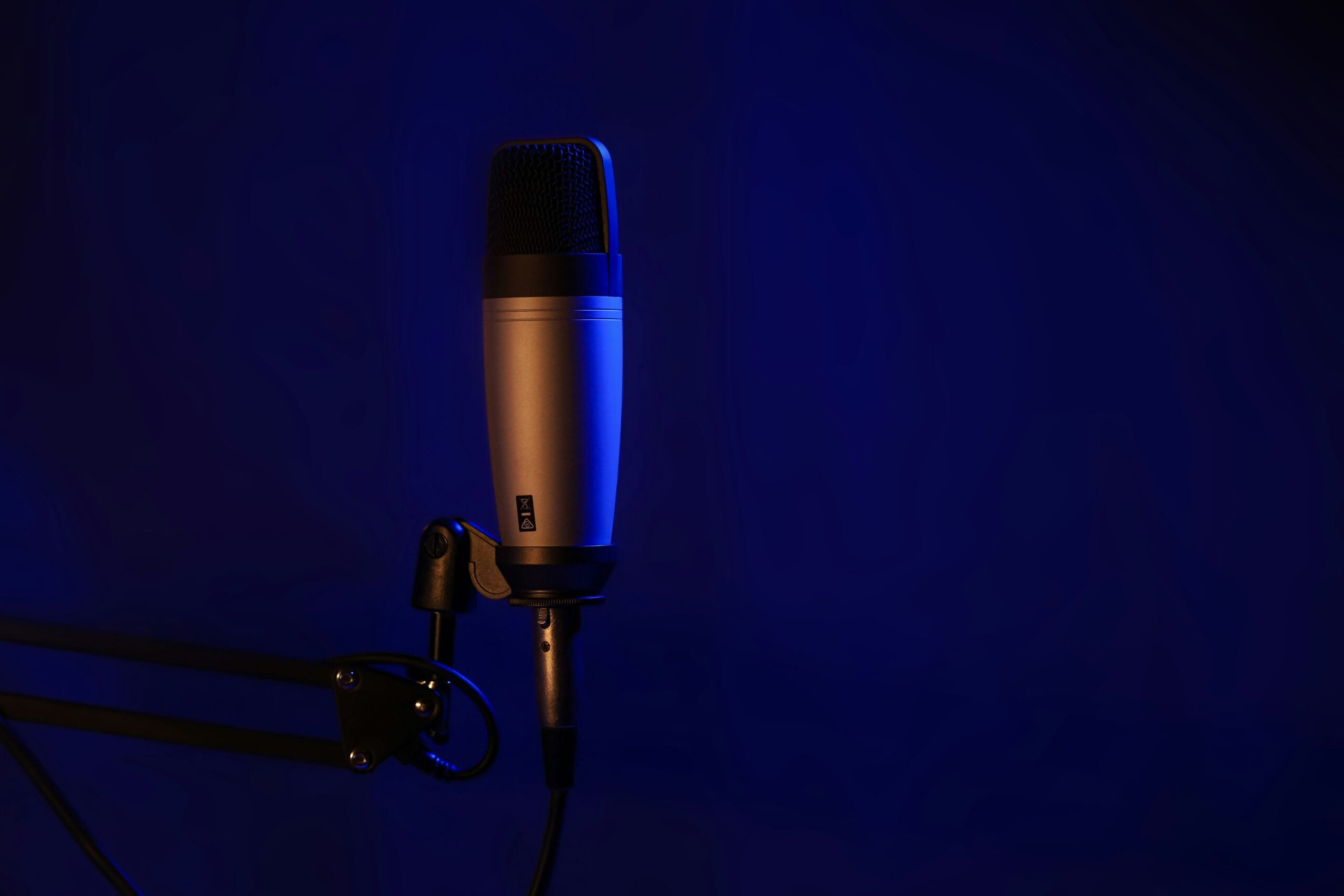
The Fix: Buy a cheap Shock Mount or a Boom Arm. When I moved my mic from a desk stand to a boom arm ($20 on Amazon), the low-end rumble completely disappeared. It physically separates the mic from the vibrating desk.
Conclusion
Do not let a bad room stop you from creating.
Start with the Closet Hack. If that’s too cramped, hang some Heavy Blankets. And please, put a Rug down.
Your listeners won’t care what the room looked like; they only care what it sounds like.